Chemicals in Hair Dye
What is Causing Your Reaction to Hair Dye?
Do the chemicals in hair dye cause allergic reactions or cancer? The research conducted on the affects of chemicals used in hair dye on humans has revealed some shocking results.
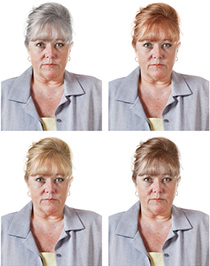
There are several scientists and many holistic and natural health care professionals who will attest to the fact they believe the chemical ingredients used in commercial hair dye could be the cause of skin allergies, hair dye allergies, cancer, and possibly other terminal diseases.
The darker colors of hair dye are especially suspect because they contain a much higher concentration of the chemicals required to achieve a darker hair color.
Are there other options? Research has shown that henna and the vegetable based dyes used to color hair do not have any negative side affects and have rarely (if ever) caused allergic reactions.
Potential Allergic Reactions to Chemicals in Hair Dye
If you've ever had a bad reaction to hair dye, or seen someone who has, you will want to do everything possible to avoid ever having to go through this again. It's really not a pretty sight and can even be life threatening. These are some of the potential reactions.
- Allergic contact dermatitis (ACD) - caused by direct contact with the hair dye. Characterized by itchiness and redness around the ears, neck, beard line and hairline.
- Contact urticaria - swelling and redness of the eyelids, sneezing, wheezing, red patches over several areas of the body, vomiting, and difficulty swallowing
- Anaphylactic shock - a life-threatening allergic reaction characterized by facial swelling, blood pressure plummeting, and gasping for air. Can result in death if help is not readily available.
Long-term Affects of Dyeing Hair
Studies indicate that the chemicals in hair dye could be associated with diseases such as breast cancer, non-Hodgkins lymphoma, Hodgkins disease, multiple myeloma, and leukemia.
Cosmetologists (hairdressers) are in more direct contact with hair dyes as well as breathing in more of the fumes from the dyes. Studies on people in this occupation revealed that they are at a higher risk for bladder cancer than their clients.
So, what ingredients should you be looking for?
A List of Dangerous Chemicals in Hair Dye
If these ingredients are on the box of your hair dye, you are literally putting these chemicals directly into your scalp and blood stream.
- p-Phenylenediamine (PPD) - the most dangerous of all the chemicals. If you rubbed this into your eyes directly, it could cause permanent blindness.
- 2-nitro-p-phenylenediamine (another form of PPD)
- Hydrogen peroxide
- Ammonia - used in cleaning products (recommended that you use gloves and protect your eyes when using!)
- Soap and detergents - these are for cleaning, not soaking into the skin
- 4MMPD or 4-methoxy-m-phenylenediamine
- 4NNOD sulfate or 4-methoxy-m-phenylenediamine sulfate
- Formaldehyde (cancer causing carcinogenic)
- Cocamide DEA - substance that could contain cancer-causing nitrosamines
- Lead acetate - primarily found in hair dyes that say "remove or cover the gray"
Safer Alternatives to Avoid Chemicals in Hair Dye
Instead of commercial hair dyes, opt for vegetable based hair colors, hair color that doesn't contain PPD, or henna hair coloring. These are much safer options and will deliver beautiful natural color to your hair without the short-term or long-term harmful side effects.
There are several excellent homemade hair dye recipes and rinses that utilize food items or herbs and flowers that are found in nature. Try a few of these in place of the commercial hair dyes and see if you don't get stunning results, without the worries!
There are also some new natural hair dyes available which offer more specific hair coloring results without harmful chemicals. If you've tried some of these, please let me know how they work for you!
Additional Suggestions to Avoid Allergic Reactions
For those of us with sensitive skin, anything we can do to remove stress from our bodies will improve the strength of our immune system and therefore help to reduce allergic reactions and to clear up skin problems.
In today's world we all are exposed to toxins in our environment from air and water pollution and toxic contaminants from pesticides in our foods.
I don't advocate becoming paranoid and filled with fear about this situation, as our world needs positive solutions and we each can make a positive difference by the choices we make in our daily lives.
I highly recommend that you consider also using safer and more natural non-toxic household cleaning products, personal care products and safe skin care products.
This will have a beneficial impact in several ways. First it will help remove some of the toxic burdens that your body carries simply by living in today's world.
Secondly, by choosing to use less toxic and more natural products, your purchases go towards supporting companies that care about their customer's health, and the health of the Earth.
You CAN make a difference, simply with the choices that you make each day for your health. You can also share what you know with others. As more people become educated about the benefits of using safer less toxic products in their homes and on their bodies, this helps everyone!
Home > Natural Hair Dye > Chemicals in Hair Dye

Welcome!



| search engine by freefind |
Recent Articles


-
Safe Skin Care Products - My Top Recommendations for Sensitive Skin
Dec 22, 20 04:47 PM
 These are the top safe, nontoxic skin care products for sensitive skin that I use and recommend. These are not your usual store bought hypoallergenic choices@
 -
New Safe Sensitive Skincare and Bodycare Finds
Jul 10, 18 05:19 PM
Here are some of my latest new safe sensitive skincare and body care finds including the benefits of oxygen for your skin! -
Understanding and Treating Petechial Rash
Jul 08, 18 03:31 PM
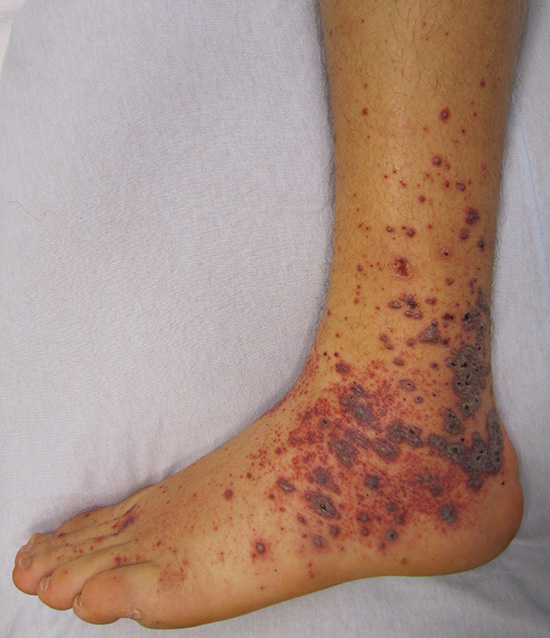 Petechial rash is easy to identify, in some cases may need immediate medical attention.
| search engine by freefind |
New! Comments
Share your thoughts about what you just read! Leave me a comment in the box below.