Salicylate Allergy
An adverse reaction to foods or products containing salicylate may indicate that you have a salicylate allergy. An allergic reaction to this naturally occurring chemical is not a true allergy, but instead a medically-based reaction to the substance salicylate. Even when an acceptable amount of salicylate enters a body that is uncommonly sensitive to it, an allergic reaction occurs.
Allergy or Intolerance?
Sometimes there can be a difference between an allergy or an intolerance to a substance, but in this case, an allergy to salicylate is the same as an intolerance to the substance. People who suffer with this medical condition just can't handle any amount of salicylate entering their body without experiencing negative effects.
In its most basic form, a salicylate allergy is the same as a drug or food intolerance.
What are Salicylates?
Simply put, they're a naturally occurring chemical that is found in some fruits, herbs, and vegetables, among other plant life. Plants need salicylates - they're a boost to the plant's immune system and helps to keep the plants healthy.
Synthetic salicylates can be found in products many people use every day such as perfume, mouthwash, shaving cream, conditioner, shampoo, and skin cleansers, to name a few.
Where Can Salicylates Be Found?
- Some medications
- Ice cream
- Nuts - almonds, peanuts, pine nuts, pistachios
- Vegetables - broccoli, hot peppers, alfalfa, cucumbers, eggplant, spinach, mushrooms, cauliflower, zucchini
- Beverages - teas, coffees, orange juice, sherry, rum, beer, wine, apple cider
- Fruits - strawberries, blueberries, peaches, figs, grapes, apples, kiwi, raspberries, avocados, cherries, prunes, grapefruit
- Various cheeses
- Candy - breath mints, licorice, peppermints, and gum flavored with mint
- Gelatin
- Some condiments - jelly, soy sauce, tomato sauce and paste, vinegar, jam preserves, and some dry spices
Symptoms of a Salicylate Intolerance or Allergy
People who have this intolerance may experience fatigue, a cough that won't go away, stomach pain, hives, nausea, sore or burning eyes, skin discoloration, headaches, rash, asthma-like symptoms, swelling in the lips, hands, face, or feet, and even memory loss. Still others experience bouts of depression at one end of the spectrum and hyperactivity at the other end.
Diagnosis and Treatment
Some physicians recommend an elimination diet in order to properly pinpoint whether salicylates are the source of the symptoms and the true medical reason you're not feeling well.
Please, never self-diagnose this condition! Always talk to your physician and she can explain how to begin, conduct, and end the elimination diet so that you won't experience more health problems as a result.
How does it work? You'll eliminate salicylate completely from your diet by eating foods and using products that contain no salicylate whatsoever or have very low amounts in them.
You'll do this for around 4 to 6 weeks or until your physician has determined that your body has eliminated any salicylate stores your body may have built up. She will likely be able to tell this by the recurrence or disappearance of symptoms.
Eventually, you will begin to reintroduce foods that contain low amounts of salicylates to see how your body reacts. If you have a reaction, you'll eliminate those foods or products again.
It could be that you find your body can handle low amounts of salicylates or none at all. Keeping a journal of what you eat and what personal items you use is an important part of discovering whether or not your symptoms are a result of a salicylate allergy.
Another form of treatment is to eat only foods with low doses of salicylate and then slowly begin eating foods and using products that have higher doses of salicylates.
Your physician may also prescribe medications to help with the symptoms until the allergy is diagnosed and under control.
Reading labels can help you avoid salicylates. Look for these ingredients:
- Mint
- Azo dye
- Aspirin
- Salicylic acid
- Menthol
- Acetylsalicyclic acid
- Benzoates
- Spearmint
- Beta-hydroxy acid
- Artificial food colorings and flavors
- Magnesium salicylate
- Phenylethyl salicylate
- Salsalate
One of the best time savers when you have salicylate intolerance is to use salicylate free products which are specifically formulated without any salicylates.
There are a few companies that provide these type of products and most do contain other kinds of preservatives or chemicals such as parabens that can be irritating to some sensitive skin, however we did find one company whose products are salicylate free and also free of parabens and other irritants at Cleure.
Home > Safe Cosmetics > Salicylate Allergy

Welcome!



| search engine by freefind |
Recent Articles


-
Safe Skin Care Products - My Top Recommendations for Sensitive Skin
Dec 22, 20 04:47 PM
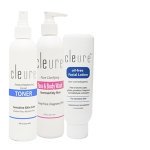 These are the top safe, nontoxic skin care products for sensitive skin that I use and recommend. These are not your usual store bought hypoallergenic choices@
 -
New Safe Sensitive Skincare and Bodycare Finds
Jul 10, 18 05:19 PM
Here are some of my latest new safe sensitive skincare and body care finds including the benefits of oxygen for your skin! -
Understanding and Treating Petechial Rash
Jul 08, 18 03:31 PM
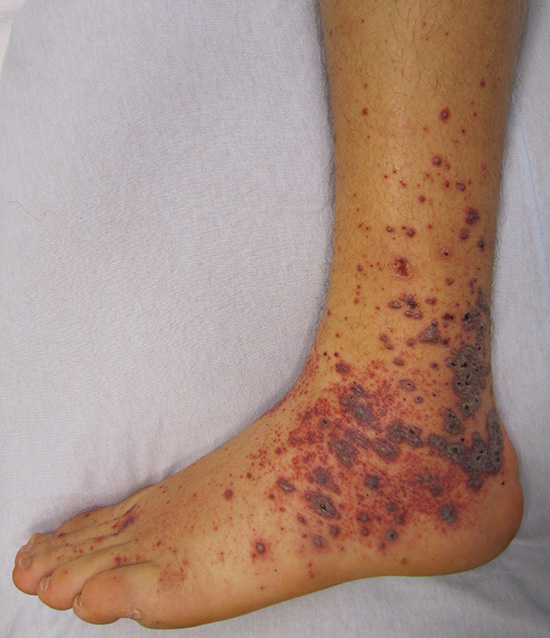 Petechial rash is easy to identify, in some cases may need immediate medical attention.
| search engine by freefind |
New! Comments
Share your thoughts about what you just read! Leave me a comment in the box below.