Treating Eczema
Why Some Medications
May Make Your Eczema Worse!
Treating eczema can be more complicated than it seems at first glance. Why? Most doctors prescribe medications to treat the misery of itching and unsightly rashes, but some people are finding that in the long run, these are actually prolong the painful cycle of itching and inflammation!
How can this happen? The answer lies in the fact that eczema (also known as atopic dermatitis) is usually a chronic and recurring skin condition, and that the symptoms themselves seem to create a vicious cycle that gets worse. And, for some people, the medications can actually make the problem even worse!
The problem with eczema is that the itching becomes so severe, and when you try to relieve it by scratching, the protective layer of your skin is eroded. Your skin gets even MORE sensitive and your rashes increase :(
Then, with your skin now hypersensitive, and the rash spreading, the itching gets even MORE intense. Sometimes you feel like you want to scream! When it is really bad, you may end up scratching so hard that your skin bleeds! I know from personal experience, as this has happened to me...
The Paradox of Treating Eczema
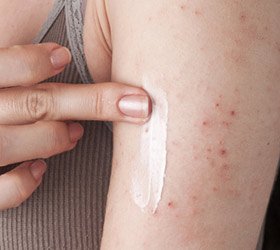
It's only natural, if you're going crazy with itchy skin, and it's gotten this bad, you go to your doctor and cry HELP!
And, it's only natural that your doctor will give you something to help calm down the itching and stop the rash. It seems simple doesn't it?
As a side note, hopefully you can afford the cream they give you ... I was talking with my pharmacist about prescripton drug costs and told me about a $600 tube of skin cream!! I hope yours is MUCH less than that...
Anyways, when you gratefully pry your tube of medication from their hands and slather it on your skin as fast as you can, HOPEFULLY you'll go "aaahhhhh" ... and find relief! And, hopefully, eventually your rash will go away.
Now, there are some lucky individuals whose story ends here, happily ever after. Their rash goes away quickly, and hopefully does NOT recur.
BUT, that's sadly probably not your story, or you wouldn't be here.
You may be in the unfortunate situation of finding that you have to use your medicated creams more and more frequently, and that eventually, you find that you ALWAYS have a rash!
Or, even worse, you might be suffering from skin damage from using the corticosteroids that are prescribed for treating eczema and other skin conditions.
Treating Eczema - There IS Hope!
Now before you get too depressed about this (I know I was!) I want you to know that there are MANY new options available now for stopping the terrible cycle of red rashes, itching and scratching.
It is my hope that what I have learned (from trying to help my own problem!) can help you to find some new ways of treating eczema, that work for YOUR unique body, and that will actually get you not only clear skin, but also more vibrant overall health.
The Missing Link in Treating Eczema
Most of us focus on finding relief with skin creams that will stop our agony of itching, BUT one thing we never think of is WHY did we get eczema in the first place?
Now with all the research that's been done on this, no one has yet found out exactly what causes eczema! There are lots of theories, but the one that makes the most sense to me is also really the bottom line for many chronic inflammatory conditions.
From all the research I've done on this, the answer may lie in our immune system. Some scientists believe that our immune systems become hyper-stimulated, which causes the skin to break out.
If this is true, it MAY explain why treating eczema with healthy lifestyle changes seem to reduce or in some cases, even eliminate this annoying chronic rash.
I've discovered that there are some suprisingly simple things that you can do to get yourself free from the cycle of itching.
Some Basic Facts - What is Eczema?
Eczema is a chronic skin condition, which in it's acute stage is also known as atopic dermatitis. The rash produces itching, inflamed, and irritated skin. It appears most often on your face, hands and feet, though it can show up anywhere on your body.
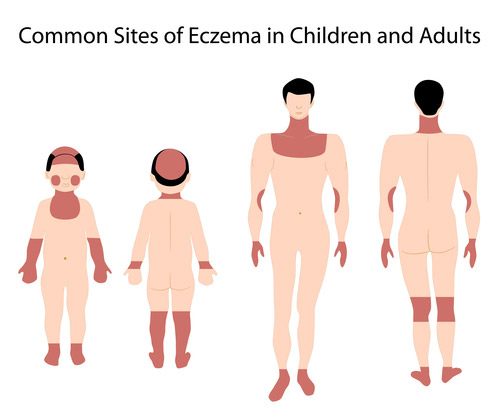
According to Wikipedia, it is estimated that up to 3.5% of the global population suffer from eczema, and its prevalence has been increasing especially since the 1950's. It It is very common in children and according to Wed MD, 10 to 15% of babies or young children may develop symptoms of atopic dermatitis.
What Are the Symptoms?
- Itching and burning skin
- Redness
- Blister like raised areas
- Swelling
- Bumps
- Crusting of the skin
- Scales
Some forms of eczema like allergic contact eczema cause a redness, discharge and itching when the skin has come into contact with an irritating substance.
Seborrheic eczema can form yellow, oily, scaly patches of skin on the scalp, face and other parts of the body.
Dyshidrotic eczema is usually found on the palms of the hands or the soles of the feet. This is very painful as it causes deep blisters that itch and burn.
Nummular eczema appears as coin shaped patches of crusted, scaling and itchy skin.
What Does It Look Like?
Different types of eczema may look quite different, so it is important to see a qualified dermatologist so that you know for sure whether you have eczema or another type of skin condition. In general, it looks like this:
- Dry, thickened, cracked or scaling skin.
- Inflammation and redness.
- Oozing and weeping skin sores.
- Light skinned people may see a rash that is initially red, and then may turn brown.
- Dark skinned people can experience a rash that is either lighter or darker than the rest of the skin.
- In babies, eczema rash can create oozing sores and crusting on the face and scalp.
Please see our Pictures of Eczema page for more information on what the rash looks like.
What Causes It?
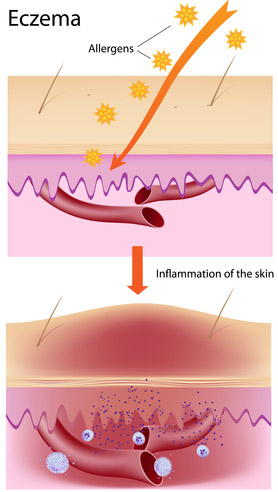
Although doctors don't really know for sure, eczema seems to be linked to an overactive immune system which responds to unknown triggers in the environment, creating an allergic reaction. It is more often found in families who have a history of allergies or asthma. Here are some of the things that can trigger an outbreak:
- Contact with rough or scratchy materials like wool
- Excessively hot, cold or windy weather
- Animal dander
- Stress
- Cigarette smoke
- Foods which cause an allergic reaction like wheat, dairy, nuts, chocolate
- Chemicals irritants in soaps or laundry detergent
- Fragrance in laundry dryer sheets
- Chemicals in skin care and personal care products - see our Safe Cosmetics Guide
- Household chemicals - most all of the household cleaning products on the market today contain HUGE numbers of toxins.
Which Foods Cause Eczema?
Some people find that certain foods cause their outbreaks, and their method of treating eczema starts at the dinner table!
Generally foods that tend to be allergy producing are the worse culprits (i.e. all the fun foods!):
- Milk
- Eggs
- Wheat
- Soy
- Peanuts
- Nuts
- Chocolate
- Citrus fruits (oranges, lemons, limes or grapefruit)
- Tomatoes
- Strawberries
TIP: If you'd prefer to quicken your learning curve and learn exactly what works in treating eczema naturally, keep a food diary for a few weeks. Write down everything you eat each day, and make a note of any skin eruptions that occur.
I know, it's a hassle in the middle of an already full life, and you probably want to be thinking about something else... but I guarantee that it will be eye opening! You will be able to quickly discover whether there is any relationship between your diet and your skin rashes.
Some people get almost complete remission of their symptoms, and this has worked even for people who've had the condition for years. You can find more information about this at Which Foods Can Cause Outbreaks?
Treating Eczema - Home Remedies May Help!
Treating eczema with simple home remedies is generally less expensive than most medicines, and is a good first choice as usually these have a lower risk of side effects. (There is always the exception so please, be sure to do a patch test with anything you put on your skin!) These are some of the home remedies that people find most helpful.
- Use cold compresses to relieve itching.
- Drink lots and lots of pure water. Many people swear by this very simple home remedy for treating eczema!
- Take a short, not too hot bath with oatmeal, which is soothing and moisturizing to inflamed skin.
- Take a short bath in 1/4 cup of baking soda. Be sure the water is not too hot.
- Use pure, refined Emu oil, which has remarkable anti-inflammatory benefits and has been helpful to many people with eczema.
Be careful with the brand of Emu oil you choose though, the effectiveness depends a lot on the purity of the product. I've tried a few brands but the Cleure Emu Oil is more effective on my skin rashes and it feels lighter and purer on my skin than other brands. - Olive oil applied to your scalp can loosen eczema scales. After letting the olive oil sit for a few minutes, use a good quality, gentle hypoallergenic shampoo.
For more detailed help in using simple, natural home remedies, the Eczema Free Forever program is a simple and powerful natural approach to creating your own custom natural cure. It is an 86 page guide that focuses on eliminating the root causes of the rash, and offers solutions for many different types including baby eczema.
Treating Eczema With Lifestyle Changes
In addition to treating eczema with home remedies, there are some very simple adaptations to your daily routine that cost nothing but can greatly help to reduce your symptoms:
- Reduce your stress - schedule time for rest, relaxation and recreation, no matter what else is happening in your life. This is crucial!
- Shower, do not bathe, and make it quick one that is not too hot.
- Immediately afterwards, apply gentle hypoallergenic skin care products.
- Moisturize your skin frequently. It's sometimes difficult to find good moisturizers that will hydrate your skin without causing more breakouts, unless you use good quality, safe products for sensitive skin.
- Use a humidifier.
- Expose your skin to fresh air and sunshine for SHORT periods of time, without any creams or sunscreens. This is a natural form of UV therapy! I would say 15 or 20 minutes a day is good amount so you reap the benefits without sun damage.
- Avoid sudden temperature changes. I know this is difficult with today's unusual weather patterns!
- Use cotton pajamas and bed sheets.
- if itching is severe, wear socks on hands and feet at bedtime.
- Avoid exposure to potential allergens like mold, dust, pollen, and animal dander.
- Avoid harsh soaps, shampoos or detergents that contain artificial color, fragrance, or irritants like sodium lauryl sulfate. For more on sodium lauryl sulfate please see our hypoallergenic shampoo page.
- Use hypoallergenic products for your skin care, dental, cosmetic and personal care needs. Unfortunately MOST hypoallergenic products can STILL cause irritation and skin problems because they contain chemicals that are known to cause rashes. I've found only one brand of hypoallergenic products that is completely free of irritating chemicals and that also contains no plant allergens.
Treating Eczema With Nutrition
Some people have found relief from chronic skin inflammations with a whole body and dietary approach.
Some of these include:
- Keep a food diary and write down everything you eat. Note when your skin flares up, and eliminate those foods.
- You can also try an elimination diet, which eliminates most allergy producing foods from your diet such as wheat, eggs, dairy products, chocolate, refined and processed flours, sugar, artificial colorings and flavorings and processed foods. (I know, it doesn't sound fun, but actually nowadays you can create healthy substitutes!)
- Eat plenty of raw fruits and vegetables. Consider making fresh raw vegetable juices or "green smoothies", which are blender drinks made with water, 60% raw fruit and 40% fresh green leafy vegetables.
- Eat more essential fatty acids which are in natural cold pressed oils, fish oil, flaxseeds, walnuts, sardines, and salmon. You may want to consider taking a high quality essential fatty acids supplement.
- Supplement your diet, in moderation, with zinc. Or, better still, use a total body supplement that includes zinc. Most whole body nutrition formulas that actually work (i.e. are absorbed by the body and make you feel better) are quite expensive, however there are some brands that offer more affordable high performance supplements. Important note ... do not overdo with isolated zinc supplementation, or you will develop a copper deficiency. The supplement formulas I recommend are safe and will not cause deficiencies.
- Take probiotics, which are friendly bacteria such as acidophilus and bifidus. Preliminary research studies have shown that these can help children with eczema, and that a probiotic supplement, when used in conjunction with medication, can help reduce the severity of the eczema.
Treating Eczema with Herbs
Recent studies suggest that acupuncture and Chinese herbal medicine can help clear up eczema. Drinking a mixture of Chinese herbs, bathing in them and applying an herbal cream helped to decrease severe eczema in the majority of patients who were studied.
Green or black tea may also help eczema. You can drink the tea and also apply it externally to your skin. Tea does contain caffeine so please use moderation when drinking it.
You can make a double strength cup of tea to apply to your skin. Some people add other ingredients to this such as lemon juice, rosemary and olive oil.
Tea tree oil may also be a useful way of treating eczema naturally, as long as you use it in moderation and use a pure brand. You can find additional herbal remedies that are specially formulated to help clear your skin naturally.
Treating Eczema Medically
As I mentioned earlier, some people with chronic eczema find that treating eczema with conventional medications and creams may help for a while but then it recurs. That is because they are treating the symptoms rather than the cause. I have found that some of the treatments actually weaken the immune system which adds to the cycle of irritation and stress on the body.
Even though researchers do not yet understand what causes it, a holistic approach to treating eczema that includes dietary changes, stress reduction and avoiding eczema triggers, can help you to maximize your results when treating eczema medically.
Sometimes your body is just so stressed out that even all the natural, dietary and herbal methods of treatment don't work. In that case, you may try some of the available medical treatments, such as:
- Non-prescription hydrocortisone creams
- Prescription corticosteroid creams - be careful and use for just a short time, as steroids have many side effects and can permanently cause thinning of the skin
- Corticosteriods taken internally for severe cases - again, be careful as severe side effects are possible
- Antibiotics - these can kill friendly bacteria in intestines which lowers immune system functioning
- Antihistamines
- Phototherapy and ultraviolet light therapy - risk of skin cancer and premature aging
- Tar treatments to reduce itching - tar is a toxic substance which may cause an allergic reaction in sensitive skin
- Barrier repair moisturizers can rebuild the skin, but these are extremely expensive.
I personally prefer a more natural method of barrier repair. For example the Cleure Day Cream is extremely moisturizing and protective, forming a natural barrier for the skin without containing harmful chemicals.
You can add yet another layer of natural protection to your skin with hypoallergenic loose mineral powder which provide both sun protection and also coverage for the skin. Loose minerals aren't just for women! Men use them too, both for the health benefits and to improve their appearance.
Treating Eczema in Babies
Dermatitis in babies is one of the most common skin problems in children. According to the Institute for Quality and Efficiency in Health Care, one in five babies develop eczema, and the incidence seems to be growing. Most infants will outgrow the condition by age three. Most children will outgrow eczema in their teens.
According to a recent study in the British Journal of Dermatology , mothers who drank milk that was supplemented with probiotics during their pregnancy and while breastfeeding saw a 40% lower incidence of eczema in their babies.
Breastfeeding in one of the most effective ways to help control skin problems in your child. Breastfeeding your baby for at least 6 months can help prevent eczema and dermatitis.
Some babies who are breastfed will still get eczema if they are sensitive to the foods that their mom is eating. Dairy products, nuts, eggs, seafood, wheat or other more highly allergic foods may not be well tolerated by your baby.
Mothers whose babies develop the condition can try to minimize their exposure to more highly allergic foods. If the baby is on formula, try switching from cow's milk formula to a hypoallergenic baby formula.
If your baby has dermatitis, keep bath time short so that the skin does not pucker up like a prune, which is a sign that the moisture retaining layers of skin are being disrupted.
Use a humidifier to keep baby's skin moist, and use a hypoallergenic baby shampoo and moisturizing lotions.
Is It Contagious?
Thankfully eczema is not contagious, but families with asthma and hay fever have a higher incidence of this skin condition in their families. Learn more about why it can APPEAR contagious.
Eczema Tips Other Visitors Have Shared
Click below to see eczema tips from other visitors to this page...
Eczema Questions, Answers and Tips from Our Readers
19 years of age but born with porceline skin. now I have psoriasis and eczema to the point that I cant move due to joints being so dry and cracked. my …
What living with eczema is like
My Sensitive Skin Care has written many great tips about minimizing eczema, so I would like to write about the emotional side of it. Living with eczema …
Eczema Skincare In All Types of Weather
Whatever time of year it is, those suffering from sensitive skin will no doubt have some kind of regime that gets them through the hot and cold. It is …
Home > Treating Eczema

Welcome!



| search engine by freefind |
Recent Articles


-
Safe Skin Care Products - My Top Recommendations for Sensitive Skin
Dec 22, 20 04:47 PM
 These are the top safe, nontoxic skin care products for sensitive skin that I use and recommend. These are not your usual store bought hypoallergenic choices@
 -
New Safe Sensitive Skincare and Bodycare Finds
Jul 10, 18 05:19 PM
Here are some of my latest new safe sensitive skincare and body care finds including the benefits of oxygen for your skin! -
Understanding and Treating Petechial Rash
Jul 08, 18 03:31 PM
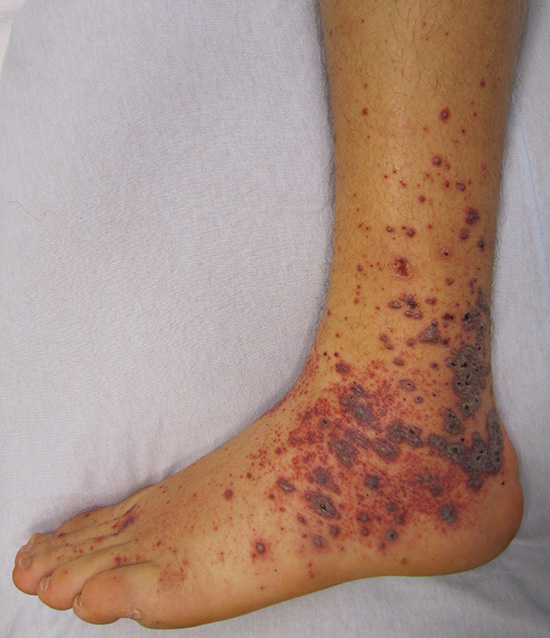 Petechial rash is easy to identify, in some cases may need immediate medical attention.
| search engine by freefind |
New! Comments
Share your thoughts about what you just read! Leave me a comment in the box below.