Salicylates and Your Sensitive Skin
Is There a Connection?
Although you may not have heard of salicylates, your sensitive skin may be very aware of them! If you're having trouble finding solutions to your sensitive skin challenges, you may find it helpful to learn a little about how salicylates could be affecting your skin and your health.
Salicylates are natural anti-inflammatory chemicals that are found many foods and personal care products, cosmetics and medications such as aspirin. Salicylates are also found in fragrances, artificial colors and dyes and preservatives.
A small amount of salicylates is normally well tolerated by most people, and they are Mother Nature's way of providing us natural anti-inflammatory benefits. Just like anything though, too much of a good thing can turn out to be not very good for our bodies!
In today's world, we are now being inundated with salicylates in amounts that are much higher than what is normally well tolerated by the human body. Many of the crops grown today have higher salicylate contents because foods are now genetically engineered to reduce their susceptibility to pests and disease.
In addition our lifestyles have changed a lot in recent history. We now use a wide variety of cosmetics, dental products, personal care products and medicines that simply were not available several generations ago. These products contain a much higher salicylate content than the more natural kinds of personal care products that were used in days past.
The result is that more and more people are developing mysterious allergies and allergic symptoms. Although we've all heard of people who are allergic to aspirin, we might not be aware that they are allergic to salicylates, which are the natural salicylate compounds that are also found in so many foods, personal care products, toothpastes and pain relief products.
Doctors are now just beginning to discover salicylate allergy and salicylate sensitivity, which have symptoms similar to many other conditions. Because sensitivity to salicylates is not well known yet, there are people with allergies and sensitive skin who may have this condition without realizing it.
Symptoms of Salicylate Sensitivity
Some of the symptoms of salicylate allergy include:
- Skin irritation and itching
- Changes in skin color
- Swelling of the hands and feet
- Mouth ulcers, hives and rashes
- Burning, puffy, or itching eyes
- Swelling in the eyes, face or lips
- Headaches
- Stuffy nose
- Asthma
- Nasal polyps
- Wheezing and coughing
- Exhaustion
- Sinus inflammation
- Nausea
- Diarrhea
- Bedwetting
More serious symptoms include
- Depression
- Difficulty concentrating
- Memory loss
- Hyperactivity
- Anaphylactic shock
How to Reduce Salicylate Exposure
Salicylates are natural substances found in many healthy foods. Unless you have a diagnosed case of salicylate allergy, there is no need to limit your intake of healthy foods. It is wise to limit your exposure to unnecessary salicylates from other avenues, so that you don't develop an allergy or sensitivity to salicylates.
Here are some basic tips to help reduce your exposure to salicylates, so minimize irritation for your sensitive skin.
- Avoid personal care products with fragrance, dyes and artificial colorings.
- Do not use facial products with Beta-hydroxy acid or BHA, or salicylic acid.
- Use a salicylate free toothpaste.
- Use personal care products that do not contain herbal or botanical ingredients.
- Avoid mentholated pain relief creams such as Ben Gay unless absolutely necessary. You can find effective herbal pain relief creams that have more natural ingredients which also contain salicylates, but in a naturally occurring form.
- Go easy on the spicy foods!
There are many other ways that you can reduce unnecessary salicylate exposure, by creating healthier lifestyle choices. For example, coffee, tea, wine, and many alcoholic beverages contain salicylates. unless you absolutely MUST use these, why not cut down a little?
Many condiments also contain salicylates, so if you don't need a ton of jelly, tomato sauce, or vinegar on your food, just reduce your amounts a little for a few weeks and see how your sensitive skin reacts. And do you really need all those licorice and peppermint candies?
With just a few adjustments you can help your body to balance your exposure to salicylates, and experience fewer allergies and skin sensitivities!

Welcome!



| search engine by freefind |
Recent Articles


-
Safe Skin Care Products - My Top Recommendations for Sensitive Skin
Dec 22, 20 04:47 PM
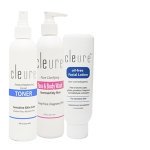 These are the top safe, nontoxic skin care products for sensitive skin that I use and recommend. These are not your usual store bought hypoallergenic choices@
 -
New Safe Sensitive Skincare and Bodycare Finds
Jul 10, 18 05:19 PM
Here are some of my latest new safe sensitive skincare and body care finds including the benefits of oxygen for your skin! -
Understanding and Treating Petechial Rash
Jul 08, 18 03:31 PM
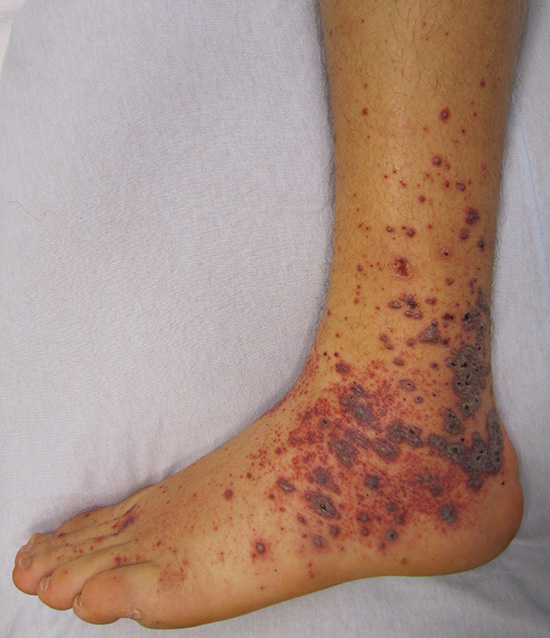 Petechial rash is easy to identify, in some cases may need immediate medical attention.
| search engine by freefind |


New! Comments
Share your thoughts about what you just read! Leave me a comment in the box below.