Why Treating Eczema May Make Your Symptoms Worse
For most of us, treating eczema means using hydrocortisone creams which may help for a little while, but don't really make the problem go away. Then, the next time that awful, terrible bout of itching comes around, we reach for the cream, but it doesn't help.
In fact, over time we may notice that we are itching more, and more often, and that the rashes are getting more painful. The itching feels so bad that we can't help but scratch. Then the protective layers of our skin get eroded faster. This causes more pain, more itching, and more rashes.
Then the eczema treatments get more intense...
- Prescription corticosteroid creams
- Corticosteroid medications
- Antibiotics
- Antihistamines
- Tar Treatments
- UV light therapy
For some people these eczema treatments may work, but for those with very sensitive skin, or who are very sensitive to medications, these can actually make the problem worse.
Why? The answer lies at the very root of the problem...
Causes of Eczema
One of the biggest challenges that doctors face in treating eczema is that they don't know what causes it. Research so far suggests that eczema is related to an overactive immune system which responds to unknown substances in the environment which trigger an allergic reaction. Research also has suggested that eczema is found more often in families with a history of allergies or eczema.
People who suffer with eczema find that their painful bouts of itching are triggered by any number of different things.
- Stress
- Cigarette Smoke
- Fragrances
- Household chemicals
- Chemicals in soaps and laundry detergent
- Animal dander
- Very cold, hot or windy weather
- Contact with rough materials like wool
- More highly allergenic foods like eggs, milk, citrus fruits, nuts, or chocolate.
Eczema and the Immune System
One of the problems with the current methods of treating eczema is that many of these actually weaken the immune system, which may compound the problem over time.
- Antibiotics kill off the friendly flora in the intestines, which weakens our body’s defenses.
- Corticosteroids reduce the body's resistance to infection, and also make it more difficult for the body to heal from infection.
- Antihistamines work for a while but over time your body develops a tolerance and eventually they don't work at all.
- UV light therapy carries the risk of sun damage and skin cancer.
- Tar treatments can increase your risk of skin cancer, and cause skin irritation and sun sensitivity.
Treating Eczema Naturally
One of the ways you may be able to help stop the painful cycle of eczema itching is by supplementing your eczema treatments with natural methods. Natural eczema treatments can help reduce irritations from the environment, and to strengthen your body's natural self healing mechanisms.
This can greatly reduce the symptoms, and may even help your other eczema treatments to work more effectively.
Some of the ways you can help your eczema to heal naturally include:
- Drinking more water.
- Reducing stress and getting more sleep.
- Lifestyle changes to increase the moisture levels of your skin and home environment.
- Reducing your exposure to chemical irritants.
- Switching to non-toxic hypoallergenic skin care products.
- Eliminating refined and processed foods from your diet.
- Supplementing your diet with skin healing nutrients.
- Using natural eczema home remedies such as oatmeal and baking soda.
- Some people have found herbal treatments for eczema to be effective.
Sometimes when your eczema is really out of control, you may need a medication to help manage the symptoms initially. If you can also help strengthen your body's immune system by reducing irritants and supporting your body's immune system, this will greatly speed the healing process and help you to interrupt the painful cycle of eczema itching.
Home > Skin Care Articles > Treating Eczema Article

Welcome!



| search engine by freefind |
Recent Articles


-
Safe Skin Care Products - My Top Recommendations for Sensitive Skin
Dec 22, 20 04:47 PM
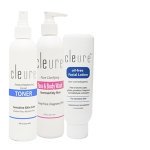 These are the top safe, nontoxic skin care products for sensitive skin that I use and recommend. These are not your usual store bought hypoallergenic choices@
 -
New Safe Sensitive Skincare and Bodycare Finds
Jul 10, 18 05:19 PM
Here are some of my latest new safe sensitive skincare and body care finds including the benefits of oxygen for your skin! -
Understanding and Treating Petechial Rash
Jul 08, 18 03:31 PM
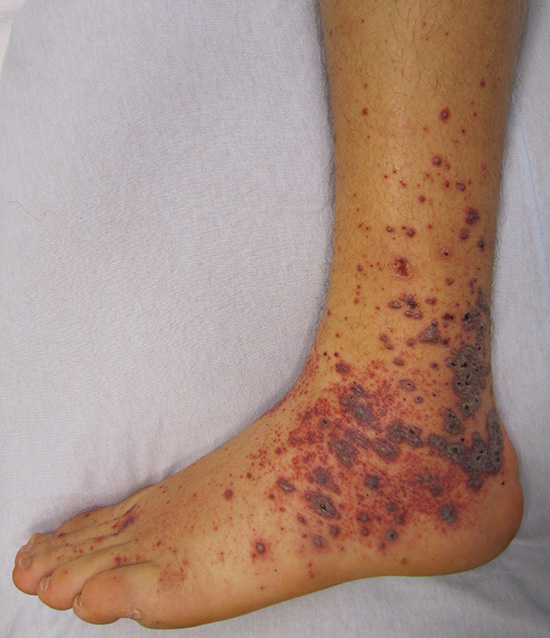 Petechial rash is easy to identify, in some cases may need immediate medical attention.
| search engine by freefind |
New! Comments
Share your thoughts about what you just read! Leave me a comment in the box below.