Buy Accutane (isotretinoin) Online for Dermatologist-Approved Treatment
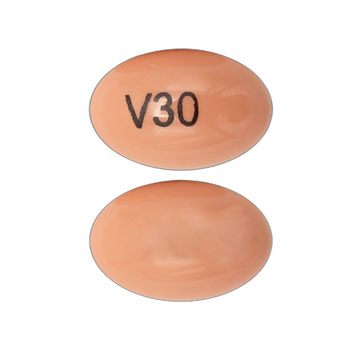
Where Can Accutane Be Obtained Safely With a Valid Prescription?
Accutane is a well-known brand name historically associated with isotretinoin, an oral retinoid used for severe, scarring, nodular, or treatment-resistant acne. In many markets, the original Accutane brand may no longer be sold, while generic isotretinoin or other branded isotretinoin products may be available. Safe access depends on a valid prescription, identity-verified dispensing, pregnancy-risk controls where required, and a pharmacy system that can document the medicine, dose, lot, labeling, and patient-specific warnings.
Legitimate sources include licensed community pharmacies, accredited mail-order pharmacies, and regulated specialty pharmacy services that dispense isotretinoin only after prescription verification. In the United States, isotretinoin distribution is tied to the iPLEDGE risk management program because fetal exposure can cause severe birth defects, pregnancy loss, premature birth, and infant death. Other countries use their own pregnancy prevention and dispensing safeguards. A trustworthy pharmacy will not treat isotretinoin as an ordinary acne product because the medicine requires laboratory review, risk documentation, and controlled refill timing.
- A valid prescription is required because isotretinoin dosing is weight-based and adjusted according to response and adverse effects.
- Dispensing windows may be time-limited, especially for patients who can become pregnant, because pregnancy testing and authorization are linked to each fill.
- Online offers that sell isotretinoin without prescription verification carry risks of counterfeit capsules, wrong strength, contaminated products, or missing safety labeling.
- International shipping can bypass local safety programs and may leave the patient without reliable batch tracing if a defect or recall occurs.
Safe acquisition is not only a legal issue; it directly affects treatment quality. Isotretinoin capsules can vary in strength, absorption characteristics, and storage requirements, and unauthorized sellers may substitute products that do not match the prescription. A reliable dispensing process also provides written medication guides, pregnancy-risk warnings, interaction alerts, and refill limits. For a medicine with dose-related toxicity and strict reproductive precautions, traceable pharmacy dispensing is part of the safety system rather than a formality.
What Factors Influence the Cost of Accutane and Isotretinoin Treatment?
The cost of Accutane or isotretinoin treatment is shaped by the medication itself, required monitoring, insurance rules, and regional pharmacy pricing. Since the original Accutane brand is not available in every country, many patients receive generic isotretinoin or another branded version. Generics are often less expensive, but the out-of-pocket price may still vary widely because different manufacturers, capsule strengths, package sizes, and pharmacy contracts affect the final charge.
Body weight and daily dose can influence monthly medication cost. Isotretinoin is commonly prescribed in milligram strengths such as 10 mg, 20 mg, 30 mg, and 40 mg, and higher daily totals may require more capsules per month. Some treatment plans use a lower daily dose for longer, while others use a moderate or higher dose to reach a cumulative exposure target. Insurance coverage may favor specific manufacturers or require prior authorization documenting severity, previous treatment failure, or risk management enrollment.
- Medication price may differ between generic isotretinoin, branded isotretinoin, and unavailable legacy brand names such as Accutane.
- Monthly capsule quantity rises when the prescribed dose requires multiple capsules per day.
- Laboratory monitoring can add costs through lipid panels, liver enzyme tests, pregnancy testing, or other individualized tests.
- Insurance prior authorization may reduce drug cost but can delay dispensing if documentation is incomplete.
- Pharmacy choice may change the cash price because wholesalers and discount programs negotiate different rates.
Indirect expenses can also matter. Follow-up visits, transportation, pregnancy tests within required time windows, and repeat laboratory testing after dose changes may contribute to the full treatment cost. Some patients experience adverse effects such as severe dryness of lips and skin, which can create added expenses for moisturizers, lip barriers, eye lubrication, or sunscreen. Cost discussions around isotretinoin are most accurate when they include the medicine, required monitoring, safety program requirements, and supportive skin care rather than the capsule price alone.
What Should Patients Know Before Starting Accutane for Severe Acne?
Before an isotretinoin course begins, the central safety issue is pregnancy prevention. Isotretinoin is a powerful teratogen, meaning exposure during pregnancy can disrupt fetal development. Documented risks include serious abnormalities of the brain, heart, face, ears, eyes, thymus, and parathyroid glands, as well as miscarriage and stillbirth. Because of this risk, many regulatory systems require pregnancy testing, contraception documentation, restricted dispensing windows, and written acknowledgment of fetal harm risks.
Isotretinoin is generally reserved for severe nodular acne, acne that causes scarring, or acne that has not responded adequately to combinations such as topical retinoids, benzoyl peroxide, topical or oral antibiotics, hormonal therapy, or other prescription regimens. The medicine reduces sebaceous gland activity, decreases sebum production, changes follicular keratinization, and indirectly reduces the acne-promoting environment. This multi-pathway effect explains why it can work when single-mechanism treatments have failed.
- Common early adverse effects include chapped lips, dry skin, nose dryness, nosebleeds, eye irritation, and increased sun sensitivity.
- Laboratory changes can include elevated triglycerides, changes in cholesterol, and increased liver enzymes.
- Muscle aches, joint discomfort, headache, and fatigue may occur, especially with higher doses or intense physical activity.
- Mood changes, depression, anxiety symptoms, and rare suicidal thoughts have been reported, although causality remains complex and requires careful evaluation.
- Severe headache with visual changes can signal rare intracranial pressure elevation, especially if isotretinoin is combined with tetracycline antibiotics.
Pre-treatment review also considers liver disease, high triglycerides, pancreatitis history, inflammatory bowel disease history, mental health history, medication interactions, and vitamin A exposure. Isotretinoin belongs to the vitamin A derivative family, so extra vitamin A supplements can increase toxicity risk. Blood donation is usually restricted during treatment and for a period afterward because donated blood could expose a pregnant recipient to isotretinoin. A well-planned start reduces preventable hazards while preserving the medicine's ability to control severe acne.
Which Isotretinoin Dosage Forms and Strengths May Be Prescribed?
Isotretinoin is most commonly supplied as oral capsules in multiple strengths. Availability depends on country, manufacturer, pharmacy contracts, and local approval status. Common strengths include 10 mg, 20 mg, 30 mg, and 40 mg capsules, while some markets may offer additional strengths or different branded formulations. The capsule form is designed for systemic absorption, so it is not equivalent to topical retinoids such as tretinoin, adapalene, or tazarotene creams and gels.
Some isotretinoin products have food-dependent absorption, especially with higher-fat meals, while newer formulations may have improved absorption under fasting conditions. This distinction can affect actual drug exposure even when the milligram dose looks identical on the label. Two products with the same isotretinoin strength may not have identical administration requirements, and substitution rules can differ by pharmacy and jurisdiction. The label and dispensing information identify whether the product has specific food instructions.
- 10 mg capsules are often used for lower daily dosing, gradual titration, or fine-tuning total daily intake.
- 20 mg capsules are frequently used as a building block for moderate daily doses.
- 30 mg capsules can reduce pill burden when intermediate dosing is needed.
- 40 mg capsules are commonly used when higher daily totals are prescribed for larger body weight or target cumulative dosing.
Daily dosing may be once daily or divided, depending on the product, tolerability, acne severity, and absorption strategy. Traditional regimens often aim for a cumulative exposure range, historically around 120 to 150 mg per kilogram, although modern practice may individualize goals based on clearance, relapse risk, side effects, and patient characteristics. Lower-dose approaches can produce fewer mucocutaneous adverse effects for some patients but may require a longer course. Dosage form selection therefore involves more than choosing the largest capsule; it balances absorption, tolerability, adherence, and cumulative exposure.
What Are the Potential Benefits of Isotretinoin for Persistent or Severe Acne?
Isotretinoin offers benefits that are distinct from many acne therapies because it targets several drivers of acne at once. It markedly reduces sebum production by shrinking sebaceous gland activity, helps normalize shedding inside hair follicles, reduces comedone formation, and creates a less favorable environment for Cutibacterium acnes. Its anti-inflammatory effects can reduce deep, painful lesions that are prone to scarring. This broad mechanism explains why isotretinoin is often considered for nodular, cystic, scarring, or persistent acne.
For patients with severe acne, the value of treatment is not limited to fewer pimples. Deep inflammatory acne can leave atrophic scars, hypertrophic scars, post-inflammatory hyperpigmentation, and long-lasting redness. Once scars form, improvement may require procedures such as lasers, microneedling, chemical peels, subcision, or fillers, and results can be incomplete. Effective suppression of new inflammatory lesions during an isotretinoin course may reduce the number of future scars and the cumulative psychological burden associated with visible acne.
- Many patients experience substantial reduction in inflammatory lesions during the treatment course, often after an initial flare or slow early response.
- Oiliness commonly decreases within weeks, which can improve shine, clogged pores, and makeup wear for some patients.
- Long remissions are possible after a full cumulative course, although relapse can occur and may be more likely in younger patients, severe truncal acne, or certain hormonal patterns.
- Reduced need for long-term oral antibiotics can help limit antibiotic exposure and resistance pressure.
Benefits must be weighed against the medicine's risk profile, but isotretinoin can change the natural course of acne more profoundly than treatments that only suppress inflammation or bacterial overgrowth. It may also simplify regimens for patients who have used multiple topical products and oral agents with limited success. The most meaningful outcome is durable control of new severe lesions, because preventing another wave of nodules can protect skin texture, pigmentation, comfort, and self-image.
How Does Isotretinoin Compare With Other Prescription Acne Treatments?
Prescription acne treatments differ by mechanism, speed, relapse risk, and safety profile. Topical retinoids such as adapalene, tretinoin, and tazarotene help prevent clogged pores and are often used for comedonal acne or maintenance. Benzoyl peroxide reduces bacterial load without antibiotic resistance and is frequently combined with topical antibiotics. Oral antibiotics such as doxycycline, minocycline, or sarecycline reduce inflammation and C. acnes activity, but prolonged use is limited by resistance concerns and adverse effects.
Hormonal therapies, including certain combined oral contraceptives and spironolactone in appropriate patients, can reduce androgen-driven sebum production and are often useful for acne with menstrual flares, jawline distribution, or persistent adult female acne patterns. These options can be effective but usually require ongoing use to maintain benefit. Isotretinoin differs because it can produce long remission after a time-limited course, especially when a sufficient cumulative exposure is reached and relapse risk factors are lower.
- Topical retinoids are usually safer systemically but may not control deep nodules or severe truncal acne by themselves.
- Oral antibiotics can reduce inflammatory lesions but are generally not intended as indefinite therapy.
- Hormonal treatments can work well for androgen-sensitive acne but are not suitable for every patient and may take several months for full effect.
- Isotretinoin has the strongest potential for prolonged remission but also has the strictest pregnancy precautions and monitoring requirements.
Comparing isotretinoin with other therapies also requires attention to disease severity. Mild acne may respond well to topical combinations, while moderate acne may need topical therapy plus oral antibiotics or hormonal treatment. Severe nodular acne, scarring acne, or acne resistant to multiple regimens is the setting where isotretinoin's risk-benefit profile becomes more favorable. The key distinction is that isotretinoin is not merely another anti-inflammatory option; it is a systemic sebaceous gland-targeting therapy with a unique capacity to reduce relapse after treatment ends.
How Long Does an Isotretinoin Treatment Course Usually Last?
A typical isotretinoin course lasts about 4 to 6 months, but real-world duration can be shorter or longer. The timeline depends on body weight, daily dose, side effects, missed doses, laboratory changes, pregnancy-risk program requirements, acne response, and the cumulative dose goal. Some regimens use approximately 0.5 to 1 mg per kilogram per day, while lower-dose regimens may extend treatment over more months. A slower course can improve tolerability for some patients but delays the time needed to reach the intended cumulative exposure.
Clinical response is often gradual. Sebum reduction may appear early, while inflammatory lesion counts may take several weeks to decline. Some patients experience an initial acne flare, particularly with severe nodular acne, although this is not universal. By the third or fourth month, many patients show clearer skin, fewer painful nodules, and less frequent new lesion formation. Persistent new lesions near the expected end of therapy may lead to a longer course or a reassessment of cumulative exposure.
- Common duration: about 16 to 24 weeks for many standard-dose courses.
- Lower-dose approach: may last 6 to 12 months depending on response and cumulative target.
- Interruptions: abnormal laboratory findings, pregnancy testing delays, insurance authorization, or adverse effects can lengthen the total calendar time.
- End-point decisions: absence of new lesions for a sustained period may matter as much as the calculated cumulative dose.
Relapse risk is one reason treatment duration is individualized. Younger age at treatment, severe chest or back involvement, very high baseline oiliness, incomplete cumulative exposure, and certain endocrine factors may increase the chance of acne returning. A longer or adjusted course is sometimes used when acne remains active late in treatment. Time on isotretinoin is therefore best viewed as a therapeutic window designed to achieve durable remission while keeping side effects and laboratory abnormalities within acceptable limits.
How Should Accutane Be Taken and Monitored During Treatment?
Accutane or isotretinoin is taken according to the prescribed product labeling and individualized regimen. Many traditional formulations are absorbed better with food, especially meals containing fat, while some newer products are designed to reduce dependence on meal fat. The difference matters because inadequate absorption can lower effective exposure and may contribute to weaker results or relapse. Capsule strength, daily frequency, and meal instructions are product-specific, so the dispensing label carries practical significance.
Monitoring usually includes pregnancy testing for patients who can become pregnant, lipid measurements, liver enzyme testing, and symptom review. Frequency varies by jurisdiction and risk profile. Triglycerides may rise during treatment, and very high levels can increase pancreatitis risk. Liver enzyme elevations are usually mild but can require dose adjustment or temporary interruption. Dryness of lips and skin is expected for many patients and often reflects systemic retinoid effect, while severe headache, visual disturbance, intense abdominal pain, jaundice, or marked mood deterioration are higher-concern signals.
- Pregnancy-related monitoring may include baseline testing, monthly testing during therapy, and post-treatment testing where required by regulation.
- Lipid monitoring focuses on triglycerides and cholesterol changes, especially in patients with metabolic risk factors or prior abnormalities.
- Liver monitoring commonly tracks alanine aminotransferase and aspartate aminotransferase values.
- Medication interaction review is relevant because tetracyclines can increase intracranial pressure risk and vitamin A supplements can increase retinoid toxicity.
- Skin procedures such as aggressive resurfacing may be restricted during and after treatment because wound-healing concerns vary by procedure and current evidence.
Alcohol intake, high-dose vitamin supplements, intense athletic training, and other medications can influence tolerability or laboratory findings. Monitoring also evaluates whether acne is improving fast enough to justify the current dose or whether side effects are limiting daily function. Safe use depends on matching the prescribed regimen to absorption requirements, reproductive risk controls, laboratory trends, and symptom changes throughout the course.
What Results and Follow-Up Care Can Be Expected After a Full Treatment Course?
After a full isotretinoin course, many patients have marked reduction or clearance of inflammatory acne. Oil production often remains lower for a period after treatment, although sebaceous activity can gradually return. Remission may last years, and some patients never need another systemic course. Others relapse with milder acne that responds to topical maintenance, hormonal therapy, or short-term prescription treatment. A smaller group experiences significant relapse and may be evaluated for a second isotretinoin course after appropriate safety reassessment.
Post-treatment care often focuses on barrier recovery, prevention of comedones, pigmentation management, and scar planning. Dry lips, dry skin, and eye irritation usually improve after the medicine leaves the body, but residual sensitivity may persist for weeks. Topical retinoids are sometimes introduced after recovery to reduce microcomedone formation and maintain clearance. Sunscreen use and pigment-conscious skin care can help post-inflammatory marks fade more evenly, especially in skin types more prone to hyperpigmentation.
- Isotretinoin is usually cleared from the body within weeks, but pregnancy avoidance rules often extend for at least 1 month after the last dose in many systems.
- Acne marks may fade over 3 to 12 months, depending on skin tone, inflammation depth, sun exposure, and picking history.
- Textural scars do not disappear just because acne is controlled; procedural scar treatment is usually considered only after active inflammation is stable.
- Relapse is more likely when treatment ends before acne is quiet or when cumulative exposure is low for the patient's risk profile.
Follow-up after isotretinoin also addresses quality-of-life recovery. Severe acne can affect sleep, social confidence, grooming habits, and willingness to participate in school, work, or public activities. When active lesions stop forming, attention can shift from crisis control to long-term skin stability. The most useful post-course plan is one that distinguishes redness, pigmentation, true scarring, and recurrent acne, because each problem responds to a different strategy.
What Happens Before Treatment Begins
Isotretinoin is a prescription treatment that requires an individual medical assessment. Submitting a request does not guarantee approval or a prescription.
- 1) Medical history review - A licensed provider evaluates your acne history, previous treatments, current medications and relevant health conditions.
- 2) Safety screening - Required pregnancy prevention measures, laboratory testing and other precautions are reviewed when applicable.
- 3) Treatment decision - The provider determines whether isotretinoin is appropriate and discusses the expected benefits, risks and alternatives.
- 4) Ongoing monitoring - Follow-up visits and laboratory tests may be required throughout treatment to evaluate progress and identify potential adverse effects.
All prescribing decisions are made by a licensed medical professional based on clinical judgment, patient eligibility and applicable regulatory requirements.
Select Your Treatment Option
Choose the prescribed product and quantity before continuing to the next step.
Product availability and treatment eligibility depend on medical review, prescription requirements and applicable regulations.
Frequently Asked Questions
How Can Accutane Be Obtained Online Through a Licensed Prescriber and Pharmacy?
The safest way to obtain Accutane or generic isotretinoin online is through a licensed medical provider and a properly registered pharmacy. The process normally begins with a dermatology consultation, during which the provider reviews the severity of the acne, previous treatments, current medications, allergies, medical history and possible pregnancy risk. Laboratory tests may be required before treatment begins and at different stages of the course. In the United States, isotretinoin prescribing and dispensing must follow the iPLEDGE REMS requirements. A legitimate online service will require a valid prescription, provide clear pharmacy contact information and arrange appropriate follow-up care. Websites that sell isotretinoin without medical evaluation, monitoring or a prescription should be avoided because the product may be counterfeit, incorrectly stored, improperly dosed or unsafe.
Which Medications and Supplements May Interact With Isotretinoin?
Before beginning isotretinoin, patients should tell their dermatologist about every prescription medicine, nonprescription product, vitamin, supplement and topical skin treatment they use. Tetracycline antibiotics, including doxycycline and minocycline, are generally avoided during isotretinoin therapy because the combination may increase the risk of intracranial hypertension. Vitamin A supplements can also raise the likelihood of vitamin A toxicity and may worsen dryness, headache and other adverse effects. Additional acne treatments containing retinoids, benzoyl peroxide, salicylic acid or exfoliating ingredients may cause excessive irritation when combined with isotretinoin. Certain medicines may also affect the liver or lipid levels, making additional monitoring necessary. Patients should not start or stop any medicine during treatment without checking with the prescribing provider or pharmacist.
Why Is a Prescription Required for Accutane Treatment?
Accutane and other isotretinoin products require a prescription because they can cause serious adverse effects and must be used under close medical supervision. Isotretinoin is highly effective for certain forms of severe, persistent or scarring acne, but it can cause severe birth defects if used during pregnancy. Prescribers must determine whether the patient is an appropriate candidate, explain pregnancy prevention requirements when applicable and arrange necessary testing. Medical supervision is also important because treatment can affect liver enzymes, cholesterol, triglycerides, skin, eyes, joints and other parts of the body. The prescribed dose may need to be adjusted based on body weight, laboratory results, side effects and treatment response. A prescription confirms that the risks and benefits have been assessed and that a monitoring plan is in place.
When Do Patients Typically Begin to Notice Improvement With Isotretinoin?
The time needed to see improvement with isotretinoin varies from one patient to another. Some people notice reduced oil production and fewer new breakouts within the first several weeks, while others may require two or three months before a clear difference becomes visible. Acne can temporarily worsen during the early part of treatment, especially in patients with severe inflammatory lesions, and this does not necessarily mean that the medicine is failing. A typical course may continue for approximately four to six months, although treatment can be shorter or longer depending on the prescribed dose, side effects and overall response. Skin improvement may continue after the final dose because isotretinoin remains effective beyond the active treatment period. Patients should follow the scheduled course rather than changing the dose based only on early results.
Is Generic Isotretinoin Considered Equivalent to Brand-Name Accutane?
Generic isotretinoin contains the same active ingredient used in brand-name Accutane and is prescribed for the same general medical purpose. Approved generic products must meet regulatory standards for identity, strength, quality, purity and bioavailability. The inactive ingredients, capsule appearance, packaging and absorption instructions may differ between manufacturers, but these differences do not usually change the expected clinical effect when the medicine is used correctly. The original Accutane brand is no longer marketed in the United States, although the name is still commonly used when discussing isotretinoin treatment. Patients may receive another brand or a generic version depending on the pharmacy and insurance coverage. Any switch between products should be discussed with the prescriber or pharmacist, particularly when a specific product has instructions related to taking it with food.
Which Daily Habits and Safety Precautions Matter During Treatment?
Daily skin care during isotretinoin treatment should focus on reducing dryness, irritation and sun sensitivity. Patients are generally advised to use a mild cleanser, noncomedogenic moisturizer, lip balm and broad-spectrum sunscreen. Harsh scrubs, chemical peels, waxing, abrasive treatments and unnecessary exfoliating products should be avoided because the skin can become fragile and heal more slowly. Alcohol intake may need to be limited because both alcohol and isotretinoin can affect the liver and triglyceride levels. Patients should not donate blood during treatment and for the required period after the last dose because the blood could be given to a pregnant recipient. Pregnancy prevention instructions must be followed exactly when applicable. Any new medicine, supplement, cosmetic procedure or major change in health should be discussed with the prescribing provider.
What Common and Serious Side Effects Can Occur With Isotretinoin?
Dry lips, dry skin, irritated eyes, nasal dryness, mild nosebleeds and increased sensitivity to sunlight are among the most common effects reported during isotretinoin treatment. Some patients also experience muscle aches, joint discomfort, headaches or temporary changes in laboratory values. These effects can often be managed with supportive skin care or dose adjustments, but they should still be reported during follow-up visits. More serious symptoms require prompt medical attention. These may include severe headache with vision changes, intense abdominal pain, persistent vomiting, yellowing of the skin, major mood or behavior changes, severe rash, difficulty breathing or signs of an allergic reaction. Isotretinoin can cause severe birth defects, so pregnancy during treatment is a medical emergency. Patients should review the complete medication guide and contact their provider about any concerning symptom.
What Factors Affect the Cost of Online Isotretinoin Treatment?
The total cost of online isotretinoin treatment includes more than the price of the capsules. Expenses may include the initial dermatology consultation, follow-up appointments, pregnancy testing when required, blood tests, prescription fees and pharmacy delivery charges. The medication price can vary according to dosage strength, quantity, manufacturer, insurance coverage, pharmacy network and whether a generic product is dispensed. Some telehealth services advertise a low consultation price but charge separately for laboratory work or ongoing monthly reviews, so the complete treatment cost should be examined before enrollment. Discounts or pharmacy savings programs may reduce the medication price for eligible patients, but unusually cheap offers from unlicensed websites can indicate counterfeit or unsafe products. Cost should be considered together with provider credentials, pharmacy licensing, required monitoring and access to follow-up care.
How Do Prescription and Dispensing Requirements Vary by Country?
Isotretinoin is a prescription-only medicine in many countries, but the specific rules for prescribing, pregnancy prevention, laboratory testing and pharmacy dispensing are not identical everywhere. In the United States, treatment is subject to the iPLEDGE REMS program, which places requirements on prescribers, pharmacies and patients. Other countries may use different pregnancy prevention programs, consent procedures, prescription validity periods or monitoring schedules. A prescription issued in one country may not be accepted by a pharmacy located in another jurisdiction, and importing prescription medication may be restricted by customs and drug regulations. Patients should use a provider licensed where they live and a pharmacy authorized to dispense medication in that location. An online seller should not be considered legitimate merely because it ships internationally or claims that local prescription rules do not apply.